
Mild Winters, Smart Comfort: Are Heat Pumps Worth It in California Homes?
With some exceptions, California winters don’t look the same as winter in other parts of the country. Snow shovels stay in storage, heating bills rarely spike, and many homes only need light heat for a few months out of the year. That reality leads you to ask whether heat pumps are actually worth it in mild California winters? The short answer is yes, but the long answer depends on the build of your home, how you use energy, and what you expect from your comfort system.
Why California’s Climate Changes the HVAC Conversation
In states with long, brutal winters, heating systems focus on producing large amounts of heat for extended periods. California presents a very different challenge. Many regions experience cool mornings, mild afternoons, and occasional cold snaps rather than weeks of freezing temperatures. That variability favors systems that can adjust output efficiently instead of running full blast all season.
Traditional furnaces still work well in California, but they often cycle on and off frequently in mild weather. This can lead to uneven temperatures, wasted energy, and unnecessary wear. Heat pumps operate differently, which is why they fit so well in a climate where extreme cold is the exception rather than the rule.
How Heat Pumps Actually Heat Your Home
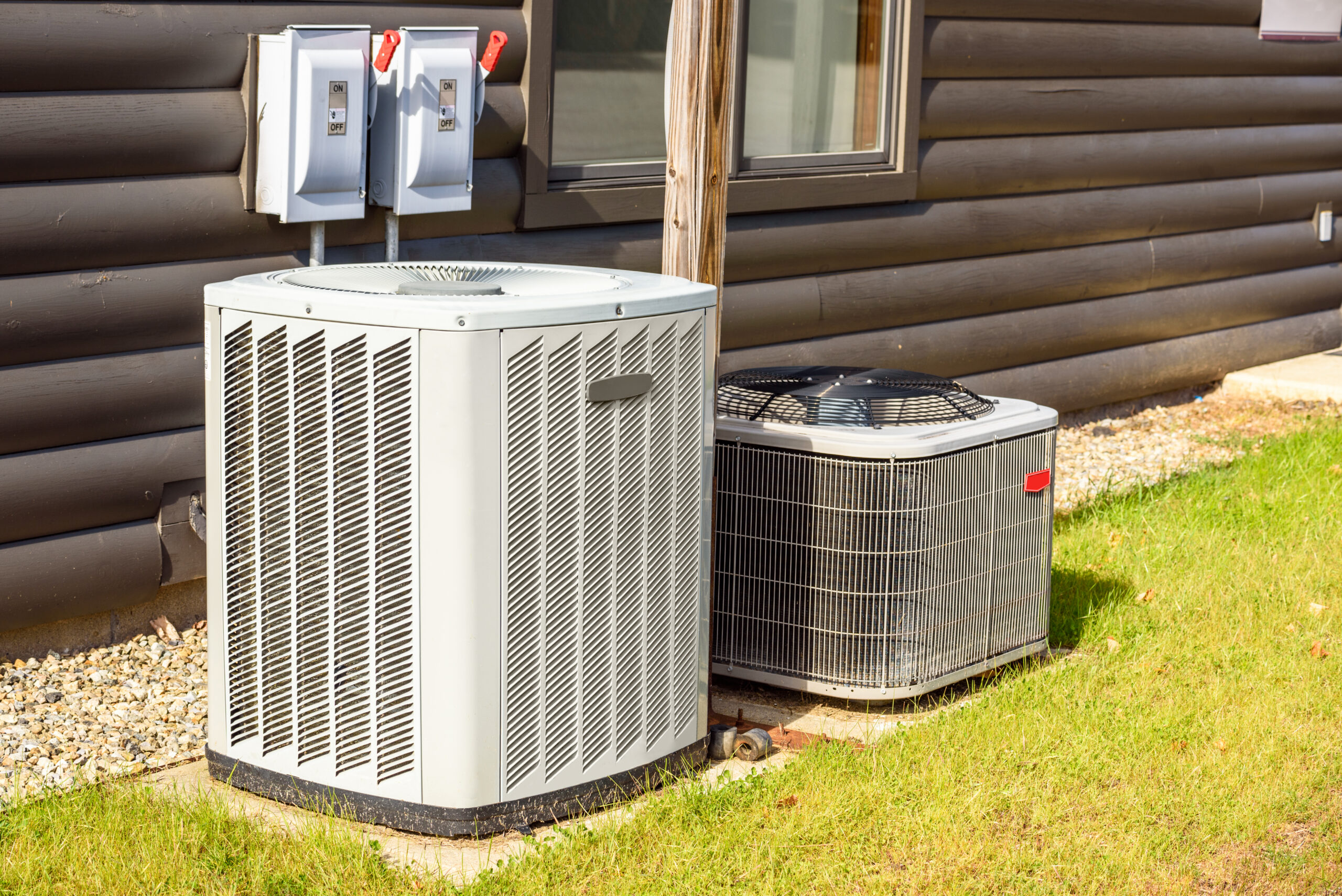
A heat pump doesn’t generate heat by burning fuel. Instead, it moves heat from one place to another. In winter, it pulls heat from the outdoor air and transfers it indoors. Even when the air feels cool, it still contains usable heat energy. Since a heat pump transfers heat rather than creating it, it uses significantly less energy than systems that rely on combustion. In mild winter conditions, heat pumps operate very efficiently because they don’t have to work as hard to extract heat from the outdoor air.
Performance in Mild California Winters
One of the biggest misconceptions about heat pumps is that they struggle in winter. That concern comes from older technology and colder climates. Modern heat pumps perform extremely well in temperatures commonly seen across much of California. In this area, winter temperatures often stay well within the ideal operating range for heat pumps. This allows them to provide steady warmth without relying on backup heat sources. Instead of blasting hot air in short bursts, heat pumps deliver consistent heat that keeps indoor temperatures more stable.
Energy Efficiency Advantages That Matter in California
Energy efficiency is important when it comes to California homeownership. Amid utility costs, environmental regulations, and a growing focus on electrification, you will seek systems that reduce energy consumption.
Heat pumps excel in this area. Since they move heat rather than generate it, they can deliver more heating energy than they consume in electricity. This efficiency translates to lower operating costs during winter months, especially when compared to older gas furnaces that cycle frequently in mild weather.
Comfort Differences You’ll Actually Feel
Beyond energy savings, heat pumps change how your home feels in winter. Traditional furnaces tend to produce hot air quickly, then shut off once the thermostat reaches its target. This creates noticeable temperature swings. Heat pumps run longer, gentler cycles. The air they deliver feels slightly cooler than furnace air, but it flows more consistently. This steady operation reduces cold spots, eliminates that blast-and-chill effect, and creates a more even temperature throughout the home.
Heating and Cooling in One System
Another major advantage of heat pumps is that they provide both heating and cooling. Instead of maintaining separate systems for winter and summer, a heat pump handles year-round comfort. In summer, the system reverses operation and removes heat from your home just like an air conditioner. This dual-purpose design simplifies maintenance and reduces the number of systems you need to manage.
How Heat Pumps Compare to Furnaces in Mild Winters
In a climate where temperatures rarely stay below freezing for long, furnaces don’t always operate in their ideal range. They turn on frequently, heat the space quickly, and shut off just as fast. This frequent cycling can increase wear and reduce efficiency. Heat pumps, on the other hand, thrive in these conditions. They maintain comfortable temperatures without constant start-stop cycles. Over time, this can reduce mechanical stress and extend system life.
Electrical Costs vs Gas Costs
One question California homeowners often ask is whether switching to a heat pump increases electricity bills too much. The answer depends on local utility rates and the system’s efficiency. While heat pumps do run on electricity, their efficiency often offsets the cost. In many cases, overall energy costs remain steady or even decrease, especially if a heat pump replaces an older, inefficient furnace and air conditioner. As California continues to invest in renewable energy and grid improvements, electric systems like heat pumps become even more attractive long-term options.
Installation Quality Makes a Big Difference
A heat pump’s performance depends heavily on how it’s installed. Incorrect sizing, poor airflow design, or improper refrigerant levels can reduce efficiency and comfort. That’s why professional evaluation matters. At Crystal Blue Plumbing Heating & Air, we assess your home’s layout, insulation, ductwork, and comfort goals before recommending a system. This ensures the heat pump operates efficiently and delivers the comfort you expect. A well-installed heat pump performs quietly, consistently, and reliably throughout California’s winter months.
Maintenance Expectations for Heat Pumps
Heat pumps require regular maintenance, but it’s similar to what you would expect from a traditional HVAC system. Seasonal inspections, filter changes, and coil cleaning keep the system running efficiently. Since heat pumps run year-round, maintenance becomes even more important. Proper care ensures efficient operation during both heating and cooling seasons and helps prevent unexpected issues. Routine maintenance also protects efficiency ratings and extends system lifespan.
Environmental Benefits Many Homeowners Value
As a California homeowner, you often prioritize environmentally responsible choices. Heat pumps align well with those values because they reduce reliance on fossil fuels and lower greenhouse gas emissions. As the electrical grid becomes cleaner, the environmental impact of heat pumps continues to improve. If you are interested in reducing your carbon footprint without sacrificing comfort, heat pumps offer a practical solution.
Are Heat Pumps Worth It for Every California Home?
Heat pumps work exceptionally well in many California homes, but they are not automatically the right choice for everyone. Factors such as home size, insulation quality, ductwork condition, and local climate variations all influence performance. That’s why a personalized assessment matters. Our team can determine whether a heat pump fits your home’s needs or whether a hybrid or alternative solution makes more sense.
Long-Term Value and Future Readiness
Heat pumps don’t just address today’s comfort needs. They position homes for the future. With increasing incentives for electrification and energy-efficient upgrades, heat pumps often qualify for rebates and long-term savings opportunities. They also support future smart home integrations and energy management systems, making them a forward-looking investment.
A Smart Match for Mild Winters
If you are considering an HVAC upgrade and want a ductless system that aligns with California’s weather and your energy goals, a heat pump deserves serious consideration. Crystal Blue Plumbing Heating & Air can help you evaluate your options and determine whether a heat pump is the right fit for your home and lifestyle. We have been providing a full range of HVAC services in the Sacramento area since 2012, so we know what works in California temperatures. Contact us today for a consultation.