

Common Reasons for Low Water Pressure You Shouldn’t Ignore
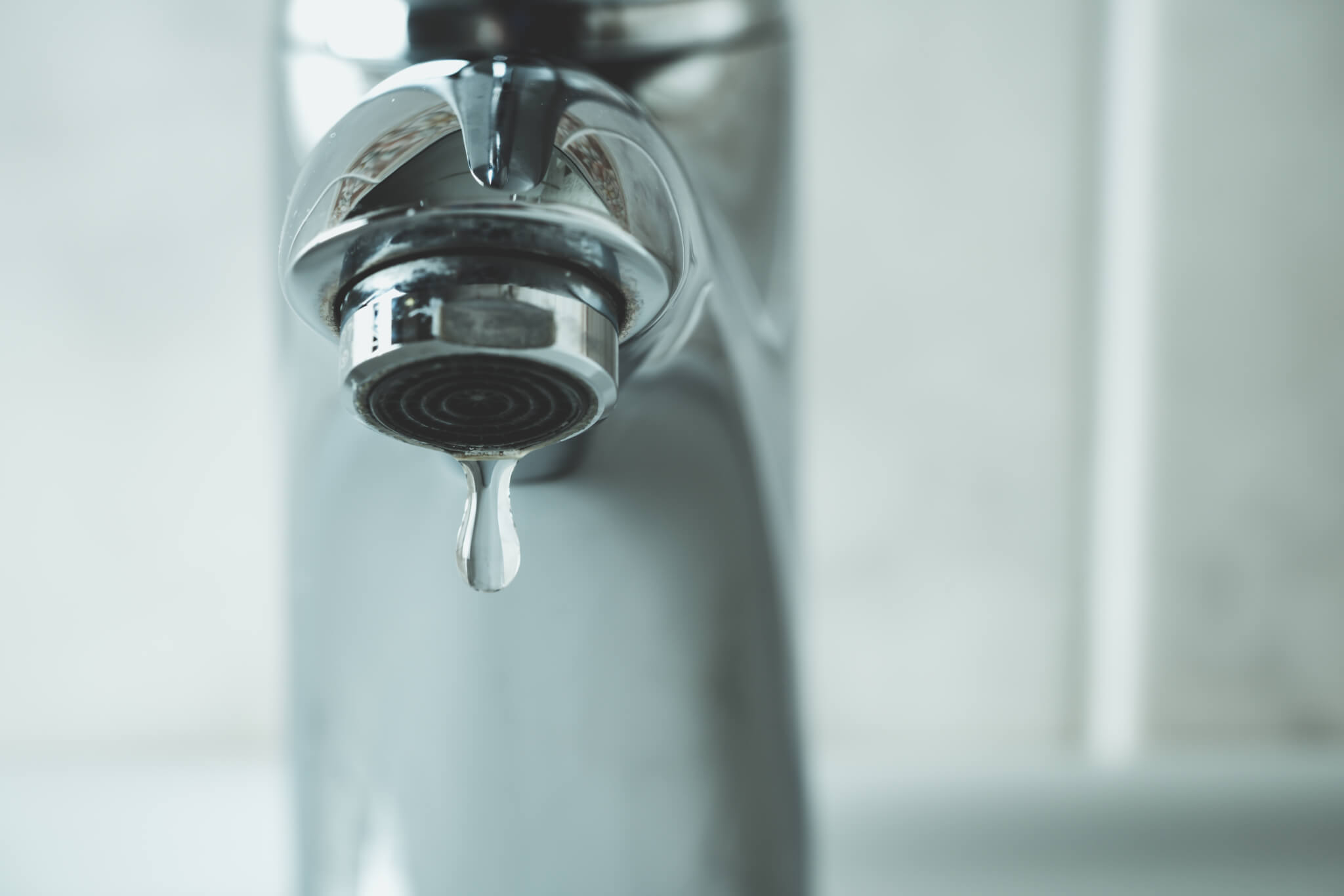
Low water pressure can make your everyday routines into quiet frustrations that make your day more difficult. Showers start to take much longer than they should, sinks drain slowly, and appliances don’t perform the way that they should. Low water pressure almost always is the result of a specific cause, and ignoring it, just hoping that it resolves itself, will lead to bigger problems.
Understanding Water Pressure in Your Home
Your plumbing system depends on a specific amount of pressure to deliver water from the main supply line to every fixture in your home. Municipal water systems provide pressure within a set range for normal household use. Once water enters your home, it can move freely under the pressure set. When something restricts the flow, pressure will drop. You may notice this pressure drop in a single faucet, a specific area of your home, or in your entire system. The pattern of the pressure loss will help our team find out where the issue is located by providing important clues.
Mineral Buildup Inside Pipes
Homes with hard water are more likely to experience low water pressure due to mineral buildup, but it can occur in any home. Minerals gradually collect along the inside of your pipes, causing them to narrow and leaving less space for the water to flow.
This buildup happens slowly, which is why you may not notice it at first. It can be difficult to notice small drops in water pressure until the drops become much more severe. Older galvanized steel pipes suffer the most because corrosion and mineral deposits work together to restrict flow. Once you have a larger buildup in your system, pressure loss will begin to affect more fixtures.
Partially Closed Shutoff Valves
The main shutoff valve in your home regulates water that enters your house. Smaller valves control individual fixtures and appliances. If any of these valves remain partially closed, water pressure will drop right away. Valves can also suffer internal corrosion, which restricts flow. This issue often causes pressure problems throughout the home and can worsen as the valve deteriorates.
Hidden Leaks
Leaks are not always visible with dripping water or puddles. Small leaks behind walls can gradually reduce water pressure while wasting large amounts of water. As water escapes before reaching your fixtures, the pressure will drop. You may also notice unexplained increases in water bills or hear water moving through pipes when nothing is running.
Aging Pipes
Older homes often contain galvanized steel or aging copper pipes that corrode internally as they age. As corrosion progresses, it reduces the pipe diameter and disrupts water flow. In advanced cases, corrosion flakes can break loose and further clog your system. Pressure loss from aging pipes usually affects the entire home and tends to worsen until you repair or replace the pipes.
Clogged Showerheads
When low water pressure affects only one faucet or shower, the issue tends to be localized. Showerheads collect mineral deposits that can restrict flow at the fixture. This problem is easy to miss because it doesn’t affect other parts of the house. Cleaning or replacing the clogged component often restores pressure immediately.
Pressure Regulator Problems
You can use a pressure-reducing valve to protect your bathroom and kitchen plumbing from excessive municipal pressure. When this device fails, it restricts water flow and can create sudden pressure drops. A faulty pressure regulator often leads to inconsistent pressure throughout your home. Water flow may fluctuate without warning, making everyday tasks unpredictable. Replacing the regulator will restore stable pressure and protect pipes and fixtures from damage.
Water Heater Pressure Problems
While water heaters rarely cause whole-house pressure problems, they can affect hot water flow. If pressure seems low only when you are using hot water, the water heater may be the reason. Sediment buildup in the tank of a traditional water heater can create clogs that restrict water flow. Also, scale buildup inside the heat exchanger of a tankless system will cause pressure changes and reduce water flow.
Modified Plumbing Lines
Some homes experience pressure loss because the plumbing system was never designed for current demand. Older homes have smaller supply lines that struggle to support multiple bathrooms, modern appliances, and simultaneous water use. Renovations and additions can also introduce pressure problems if new fixtures connect to undersized pipes. When several fixtures run at once, pressure drops noticeably. Correcting this issue often requires pipe upgrades or system redesign.
Municipal Supply and Neighborhood Demand
Occasionally, low water pressure originates outside the home. Municipal water systems may experience temporary pressure drops because of maintenance or increased demand during peak usage times. If neighbors experience similar issues, the cause may be resolved once the supply stabilizes. However, persistent low pressure tends to mean that you have an internal plumbing problem rather than a municipal one.
Environmental Factors
Environmental changes can affect your water pressure. In colder months, partially frozen pipes can restrict the flow of water in your system. In warmer months, increased outdoor water use can reduce the amount of pressure available for use in your home. While these factors explain short-term fluctuations, ongoing pressure issues almost always involve mechanical or plumbing-related causes that require attention.
How Professionals Diagnose Low Water Pressure
Diagnosing low water pressure requires more than guesswork. Our team will measure pressure at multiple points, inspect valves and pipes, and evaluate water heater connections when hot water pressure drops. We will also check for leaks and potential restrictions inside the system. This approach identifies the cause of the low water pressure and prevents unnecessary plumbing repairs.
Why Ignoring Low Water Pressure Creates Bigger Problems
Low water pressure rarely stays the same. Mineral buildup increases, leaks expand, and components continue to fail as water struggles to move through restricted or damaged lines. What starts as a minor inconvenience can quietly strain fixtures, valves, and appliances that depend on steady flow. Delaying repairs allows small issues to turn into costly plumbing damage and ongoing water waste that shows up on monthly bills. Addressing the problem early restores comfort and helps prevent disrupting your daily routine.
Restore Flow by Addressing the Real Cause
Low water pressure isn’t something you should ignore or accept as normal. It’s a sign that something in your plumbing system needs attention. With professional diagnosis and timely repairs, your home can regain reliable water pressure and avoid bigger plumbing headaches down the road. At Crystal Blue Plumbing Heating & Air, we know how important good water pressure is to homeowners in the Sacramento area. We have been providing plumbing services in the area since 2007, making us a trusted member of the community. Contact us today to book an appointment.