

Is Your Older California Home’s Piping Affecting Your Water Quality?
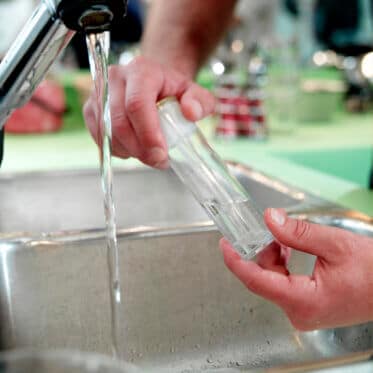
Older California homes have a certain pull. Original details feel warm and familiar. Plumbing behind the walls can be older than the charm. In Loomis, CA, that age can shape what comes out of your tap. Sometimes the change is subtle, then suddenly not.
A faint metallic taste after water sits overnight can be an early clue. Cloudy water that clears fast can be another. Low pressure in the shower may show up slowly, then stick around. An off taste can make you second-guess every glass. Those warning signs often point back to aging pipes.
How Aging Pipes Change Water Before You See It
Water takes a long route to reach your sink. Along the way, it passes valves, elbows, and older connections. As pipes age, interior surfaces can roughen or scale. Mineral deposits cling to that texture. Pressure shifts can shake loose gritty sediment and visible particles.
This is often noticeable after returning from a vacation or business trip. Water sits still, then starts moving again. The first time you turn on the tap, you see what settled in the older pipes. A rusty tint can appear, then fade. Clear running water later does not erase the clue. Repeated episodes deserve a thorough inspection.
Older Pipe Materials Still Common in California Homes
Many older homes still have galvanized steel or aging copper supply lines. Galvanized steel can corrode from the inside. Rust flakes can tint water and create a restricted flow. Cast iron drains can roughen and catch debris. Each material fails in its own style.
There still lies the risk of lead in older systems. Old solder, older fixtures, or older service line components may contribute. Lead is often invisible to taste and smell.
Corrosion Often Shows up as Color and Pressure Changes
Corrosion can tint water yellow, brown, or reddish. Tiny particles can ride the stream. Discoloration might appear after laundry day or heavy use. Nearby water main work can trigger it, too. A pattern matters more than a one-off event.
Pressure changes can be slow and stubborn. Scale buildup and rust narrow the pipe interior over time. Showers feel weaker, and faucets fill more slowly. Many homeowners blame the city supply first. Often, the restriction is inside the home.
Hard Water and Mineral Scale Add Quiet Stress
Hard water carries calcium and magnesium. Those minerals leave mineral deposits inside pipes and fixtures. Scale buildup narrows flow paths and reduces efficiency. Water heaters can lose performance as buildup grows. Over time, costs can add up.
Chalky residue on faucets is a common giveaway. Spotting on glassware after washing is another. Some homes also get cloudy water when minerals get stirred up. Many homeowners feel stuck in a cycle of scrubbing. A plumber’s assessment can confirm whether hard water is the cause of the problem.
Odors, Biofilm, and the “Why Does This Sink Smell?” Problem
Rough interiors and pockets of buildup can develop in older plumbing. Those sheltered areas can support biofilm and a musty smell. Low-use lines make the issue worse. Guest bathrooms are a common trouble spot. First use of the faucet can smell odd, then it returns to normal.
Overnight stagnation can also play a role. One sink may smell off while others seem fine. That unevenness is a clue, not a coincidence. Skip random fixes that waste money. Call a plumber for a diagnosis.
When Water Quality Starts Damaging Fixtures and Appliances
Sediment can clog aerators and showerheads. Valves can wear faster when particles keep scraping past. Scale can reduce water heater efficiency and shorten appliance life. Dishwashers may struggle with residue and spotting. These issues often feel unrelated at first.
Staining is a common complaint in older homes. White sinks show orange or brown marks quickly. Toilets can develop rings that return too fast. Scrubbing harder rarely solves the cause. If the source is the piping, surface fixes only go so far.
Warning Signs That Are Worth Taking Seriously
Most homeowners notice repeated issues before they think about the pipes. The clues appear in everyday life. When a problem repeats, it deserves attention. Water quality issues rarely improve on their own. Over time, they usually get louder. Here are warning signs you should be aware of:
- Brown, yellow, or reddish water
- Metallic taste or off taste
- Musty smell or rotten-egg smell
- Sudden pressure drop
- Recurring fixture staining
- Frequent pinhole leaks
Some signs start inside the home. Others begin outside your property. More than one source can be involved. A targeted repair only works when the cause is confirmed. Getting clear answers first saves money and stress.
Aging City Pipes and Service Lines Can Influence Your Water
City infrastructure can contribute to water changes in older neighborhoods. Aging municipal lines may introduce sediment into the system. Hydrant flushing can temporarily change the appearance of the water. Water main work can stir particles that were sitting quietly. Temporary discoloration can look dramatic, even when short-lived.
Your service line matters as well. It connects the street to your home. Neighborhood complaints can hint at a broader disturbance. When only your house is affected, interior plumbing becomes more likely. Either way, testing and inspection bring clarity.
How We Confirm the Cause Without Guessing
Quick answers are tempting when water looks off. Reliable answers come from evidence. We start by listening to what you notice and when it happens. Timing matters more than people expect. Fixture-by-fixture differences matter, too.
A video pipe inspection can show what is happening inside the lines. Corrosion, internal buildup, cracks, and other concerns become visible. That helps confirm whether a targeted repair makes sense. If the system is broadly compromised, we explain the next steps. No hand-waving, just a sensible plan.
When Repiping Becomes the Clean Long-Term Move
Some homes reach a point where repairs feel never-ending. One leak gets fixed, then another shows up. Pressure keeps dropping, and discoloration returns. That cycle drains time and money. Repiping becomes a long-term fix at that stage.
Newer materials can improve flow and reduce recurring leak risk. Rust flakes and gritty sediment issues often decrease as well. We can evaluate whether repiping is the smarter path for your Loomis home. Tradeoffs get explained in plain language, and peace of mind replaces that nagging worry.
Support for Water Quality Concerns in Loomis, CA
If you suspect older piping is affecting water quality, you do not need to troubleshoot alone. Crystal Blue Plumbing, Heating & Air helps homeowners in Loomis find the real source of the problem. We inspect, explain, and offer clear next steps you can trust. Leak repairs, fixture replacements, and pipe upgrades are also available when needed. Contact Crystal Blue Plumbing, Heating & Air today for more information!