
When Repairs Stop Working: 7 Real Signs You Need a Heat Pump Upgrade
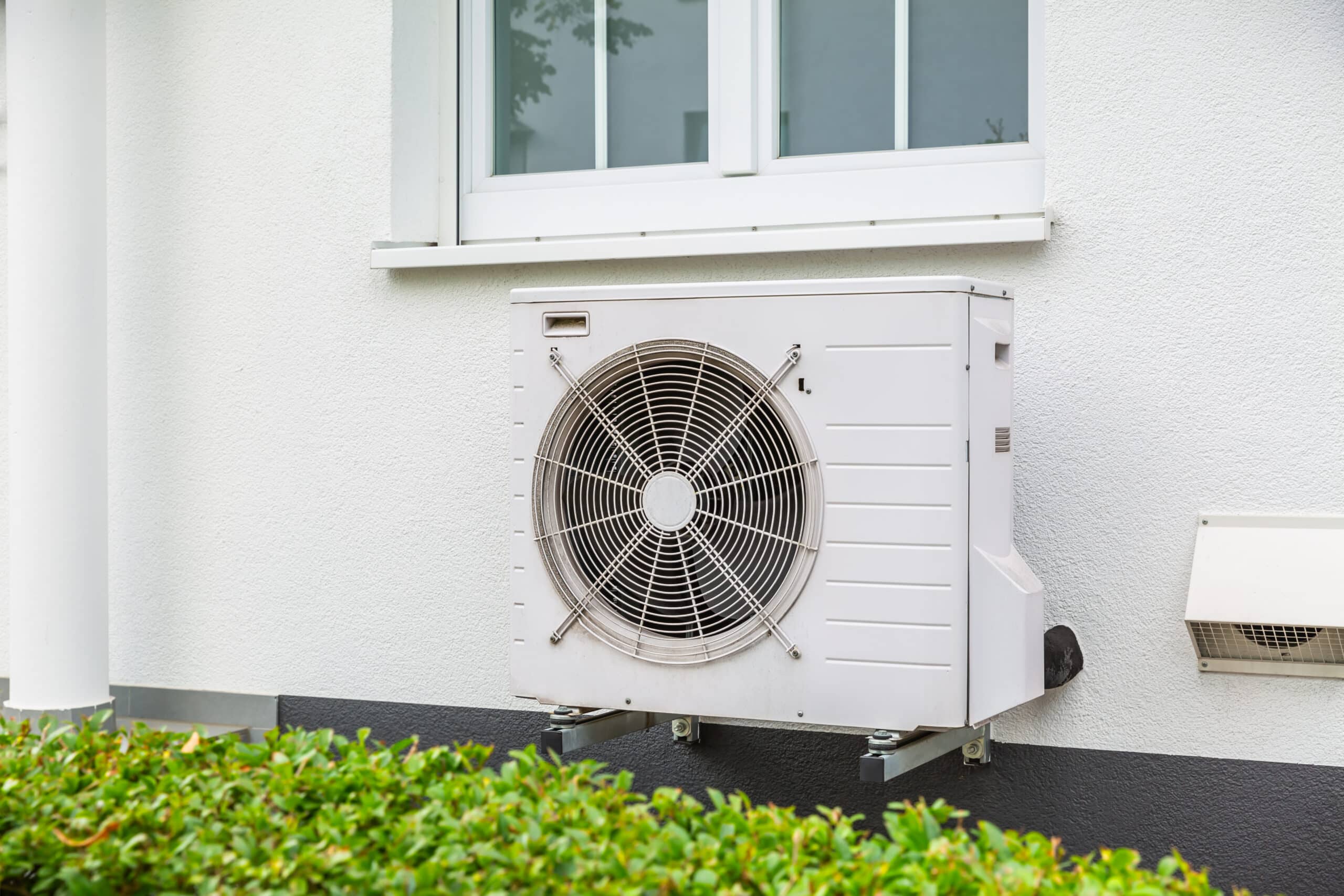
California’s mild winters and hot summers make a heat pump an efficient way to keep your living space at a comfortable temperature. Even the best system will not last forever. Over time, efficiency will drop, repair needs will become more frequent, and your comfort will start to suffer. Recognizing the signs that it’s time to upgrade your system will help you avoid breakdowns and make an investment in your comfort and energy efficiency.
Understanding the Lifespan of a Heat Pump
Most heat pumps last 10 to 15 years, depending on the brand and usage. In areas like Sacramento, where the climate allows for frequent use of both heating and cooling functions, wear and tear can accumulate more quickly. A well-maintained system may last longer, but once a unit reaches or exceeds 15 years, it typically operates less efficiently and is more prone to mechanical problems.
Technology has also come a long way in the last decade. Today’s high-efficiency heat pumps and dual-fuel systems offer improved performance and quieter operation compared to older models. If your current system is approaching the end of its expected lifespan, upgrading could be more cost-effective than repairing it.
1. Rising Energy Bills Without Increased Usage
A sudden or steady rise in energy costs is one of the first warning signs that your heat pump is losing efficiency. When internal components, such as the compressor, refrigerant lines, or coils, wear out, your system has to work harder to reach the same temperature. This constant overworking consumes more electricity and drives up your monthly utility bill.
Even regular maintenance can only do so much to counteract wear because of age. If you’ve noticed higher bills despite consistent usage and no major weather changes, it might be time to consider a new high-efficiency heat pump that meets modern ENERGY STAR® standards. The improved efficiency can make a difference in your long-term energy costs.
2. Frequent Repairs or Recurring Problems
A heat pump that has service needs once or twice a year for small issues is normal. However, when you find yourself calling for repairs every few months, the system may be nearing the end of its life. If the cost of repairs is approaching half the price of a new unit, invest in a replacement. Newer systems reduce the need for frequent service calls, and they come with warranty coverage that provides peace of mind for years to come.
3. Uneven Heating or Cooling Throughout Your Home
A healthy heat pump maintains consistent temperatures in every room. If you notice that some rooms are significantly warmer or cooler than others, it may indicate a problem with your system’s capacity or airflow. Uneven temperatures can stem from issues like a failing blower motor or refrigerant loss. Sometimes, ductwork problems are the culprit, but if you have already addressed those, your heat pump may be too old to handle your home’s current demands.
Modern variable-speed heat pumps and dual-fuel systems deliver much better comfort control. Dual-fuel setups combine an electric heat pump with a gas furnace, automatically switching between them to maximize efficiency based on the outdoor temperature. This hybrid solution ensures consistent warmth even on the coldest nights without wasting energy.
4. Strange Noises or Odors Coming from the Unit
Your heat pump should run quietly, with only a soft hum coming from the unit. When you hear grinding or rattling, it indicates that something within the system is not functioning properly. Bearings may be wearing out, belts may be slipping, or the compressor could be nearing failure.
Similarly, unpleasant odors can signal trouble. A musty smell may indicate mold in the condensate pan or ducts, while a burning odor could suggest an electrical issue. Persistent noises or smells rarely resolve on their own and can lead to more extensive, costly repairs if left unaddressed. Upgrading to a new, whisper-quiet model helps to keep you comfortable while eliminating these disruptions.
5. Your System Uses an Outdated Refrigerant
Many older heat pumps still use R-22 refrigerant, but environmental regulations have eliminated its production. As supplies become increasingly scarce, repairs involving refrigerant leaks have become more costly. If your system still uses R-22, replacing it with a modern unit will save you money on future maintenance needs and bring your home into compliance with current refrigerant standards. New systems use R-410A or other low-GWP refrigerants that are more efficient and safer for the environment.
6. Poor Airflow or Reduced Comfort
When your system runs all the time but never seems to reach the desired temperature or when airflow from your vents feels weak, these are clear signs your heat pump is underperforming. One of our technicians can assess whether the issue stems from aging equipment or a more profound mechanical problem. In many cases, upgrading the system restores comfort and reduces energy consumption.
7. You’re Ready for Smarter, More Efficient Comfort
Sometimes, replacing a heat pump is about failure, but the opportunity presents itself. If your system is functioning but aging, an upgrade can still offer you several benefits. Modern heat pumps feature variable-speed compressors, advanced filtration systems, and smart thermostats, enabling fine-tuning of efficiency and performance.
For even greater flexibility, consider switching to a dual-fuel system. These systems combine the efficiency of a heat pump with the power of a gas furnace, automatically switching to the most efficient energy source based on outdoor temperatures. In mild weather, the heat pump operates efficiently for heating. When temperatures drop below a certain point, the gas furnace takes over for enhanced heating performance.
Repair or Replace: Making the Right Decision
The decision whether to repair or replace your heat pump depends on factors such as age, efficiency, repair costs, and overall performance. If your system is less than 10 years old and the issue is minor, repairs can be a sensible option. However, once your system reaches the 12- to 15-year mark, upgrading becomes the smarter long-term investment.
A new high-efficiency heat pump can reduce energy consumption by 30%, depending on your home’s size and insulation quality. It also increases comfort, reduces humidity, and minimizes noise. If you have an outdated electrical system, a panel upgrade may also be necessary, as the new system may require more capacity. The team at Crystal Blue Plumbing, Heating & Air can inspect your system and recommend upgrades tailored to your home’s specific needs.
Upgrade Your Comfort with Crystal Blue Plumbing, Heating & Air
If your current heat pump struggles to keep up or costs too much to maintain, now is the perfect time to consider an upgrade. Newer systems offer better performance, lower operating costs, and smart features that adapt to your lifestyle. At Crystal Blue Plumbing, Heating & Air, we have decades of experience providing heating and cooling services to the Sacramento area. Schedule your heat pump consultation today and discover how a modern, energy-efficient system can transform your home.