
Spring Plumbing Defense: How Sacramento Homeowners Can Prevent Drain Clogs

Spring Plumbing Defense: How Sacramento Homeowners Can Prevent Drain Clogs
Spring brings warmer weather and frequent rainfall across Sacramento and the surrounding region. While these seasonal changes improve outdoor conditions, they can also create new challenges for your plumbing system. Drain and sewer lines operate underground, which makes it easy for problems to develop without you noticing. During spring, factors such as tree root growth, heavy rain, and soil movement can place extra stress on underground pipes. When you understand how seasonal changes affect plumbing, you can take steps to prevent drain clogs before they lead to costly backups.

Why Spring Creates Ideal Conditions for Drain Problems

Spring weather introduces several environmental factors that increase the likelihood of drain and sewer line issues. Rainfall saturates the ground and causes the soil around underground pipes to shift slightly. As soil moves, pipes may experience additional pressure that can loosen joints or create small openings. These small openings may allow debris or roots to enter the pipe. Once debris collects inside a sewer line, water flow slows down, and the potential for clogs increases.

Warmer temperatures also trigger plant growth. Trees and shrubs that remained dormant during the winter begin expanding their root systems as they search for water and nutrients. Sewer lines carry a steady supply of moisture, which makes them an attractive target for aggressive root systems. As roots grow toward these pipes, they may slip through tiny cracks or joints. Once inside the line, the roots continue expanding and trap waste, grease, and other debris. This buildup eventually leads to blockages that restrict water flow.

Tree Root Growth and Sewer Line Intrusion

Tree root intrusion represents one of the most common causes of springtime drain clogs. Sacramento neighborhoods often feature mature landscaping with large shade trees and extensive root systems. While these trees provide beauty and cooling benefits, their roots constantly search for moisture underground.

Sewer pipes naturally attract roots because they contain water, nutrients, and warmth. Even a hairline crack in a pipe can release enough moisture to draw nearby roots toward the line. Once roots reach the pipe, they push through small gaps and begin growing inside the plumbing system. Inside the pipe, roots act like a net that catches passing debris. Grease, paper products, and sediment cling to the roots and form larger blockages over time. As the blockage expands, wastewater struggles to move through the pipe.

Early root intrusion may only cause slow drainage, but continued growth can eventually create a complete blockage. If homeowners address the issue early, plumbers can remove roots and restore normal flow before severe damage occurs.

Heavy Rainfall and Drain System Stress

Spring storms can also affect how drains and sewer lines perform. During periods of heavy rainfall, groundwater levels rise and the soil surrounding underground pipes becomes saturated. This increased moisture places extra pressure on sewer lines. When the ground absorbs large amounts of water, the surrounding soil may shift slightly. Even small shifts can affect older pipes or pipes with weak joints. These movements sometimes create small gaps where debris can enter the system.

Rainwater can also carry additional sediment and organic matter into outdoor drains. Leaves, dirt, and small debris may travel through yard drains and eventually reach the sewer system. Over time, this material may collect inside the pipe and contribute to developing clogs. If you notice slower drainage during or after heavy rain, monitor your plumbing system carefully. Spring storms can reveal hidden weaknesses within older sewer lines.

Soil Shifting and Underground Pipe Movement

Spring weather cycles between wet and dry conditions. This pattern causes soil to expand and contract throughout the season. When soil expands from moisture and later shrinks during dry periods, underground pipes can shift slightly. Older sewer lines made from clay or cast iron are particularly vulnerable to movement. These materials can develop cracks or separated joints when soil pressure changes around them.

Even modern pipes may experience minor shifts if the surrounding soil becomes unstable. Once pipe alignment changes, debris may begin collecting in areas where the pipe no longer slopes properly. Sewer pipes rely on gravity to move wastewater away from the home. If a pipe loses its proper slope due to shifting soil, water may begin pooling inside the line. Standing water allows debris to settle and increases the likelihood of developing clogs.

Early Signs of Springtime Drain Clogs

Drain clogs rarely appear suddenly without warning. In most cases, the plumbing system shows several early indicators that a blockage may be forming somewhere in the drain line. Slow drains often provide the first noticeable symptom. When water drains more slowly from sinks, showers, or tubs, debris may already be collecting inside the pipes. A single slow drain may indicate a localized clog, but multiple slow drains may suggest a developing sewer line blockage.

Unusual sounds from plumbing fixtures can also signal trouble. Gurgling noises occur when trapped air struggles to move through partially blocked pipes. These sounds often appear when water flows through nearby fixtures. Foul odors from drains can develop when waste material accumulates in the plumbing system. Sewer gases may escape when drainage slows or when blockages trap organic matter inside the pipes.

Another warning sign involves water backing up in unexpected places. For example, running a washing machine might cause water to rise in a nearby floor drain or bathtub. This symptom often indicates a restriction somewhere in the main drain line.

How Video Pipe Inspection Helps Identify Problems

Our plumbers use advanced tools to evaluate underground drain systems without digging up the property. One of the most effective diagnostic tools involves video pipe inspection. During a video inspection, we insert a specialized waterproof camera into the drain line. This camera travels through the pipe and sends live footage to a monitor above ground.

Video inspection helps us pinpoint the exact location of the problem. This information assists us in determining the most effective repair or cleaning method without unnecessary excavation. The inspection process also provides a clear understanding of the condition of your sewer system. By viewing the footage, we can explain what causes the blockage and recommend preventive solutions. Video pipe inspection often serves as the first step in diagnosing springtime drain problems.

Hydro Jetting for Preventive Drain Cleaning

When we identify buildup in the drain line, hydro jetting is often one of the most effective cleaning methods. Hydro jetting uses highly pressurized water to clear debris from the interior walls of the pipe. The process involves inserting a specialized hose with a directional nozzle into the drain line. Water sprays through the nozzle at high pressure and breaks apart grease, sediment, root fragments, and other debris.

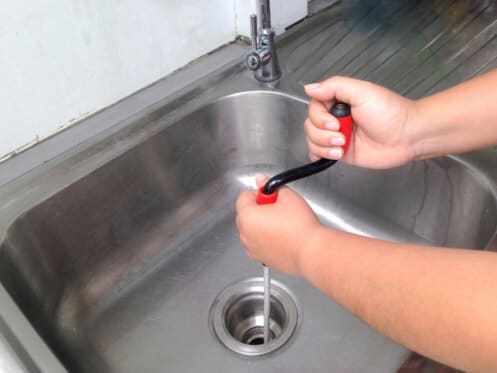
Unlike traditional snaking methods, hydro jetting cleans the entire interior surface of the pipe. This thorough cleaning helps restore full water flow and reduces the chance that debris will quickly accumulate again. Hydro jetting also removes early root growth before it develops into a larger blockage. Our team may also recommend hydro jetting as part of preventive drain maintenance for homes with a history of root intrusion.

Protect Your Plumbing System This Spring

Spring weather introduces environmental changes that can place additional stress on underground plumbing systems. Crystal Blue Plumbing Heating & Air has provided professional drain cleaning and sewer inspection services to the Sacramento area for several decades. Contact us today to schedule an appointment.


Crystal Blue Plumbing, Heating & Air Blog

Crystal Blue Small Logo

Archives

Search

Loomis Best of the Best For 9 Years

Spring Air Balance: How Indoor Humidity Affects Comfort in Sacramento Homes

Spring Air Balance: How Indoor Humidity Affects Comfort in Sacramento Homes

Spring in Sacramento brings welcome relief after the cooler winter months, but the season also introduces shifting weather patterns. Periods of rain, warming temperatures, and changing airflow conditions can cause indoor humidity levels to fluctuate. It’s common to focus on temperature when adjusting your HVAC system, but humidity plays an equally important role in indoor comfort. When indoor humidity rises too high or drops too low, it can affect how your home feels and how healthy the indoor environment is.

Why Spring Humidity Changes in Sacramento

Sacramento’s climate often transitions quickly during the spring months. Storm systems bring rainfall and moisture into the air, followed by warmer days that encourage evaporation and humidity changes. These shifting conditions can make it harder for homes to maintain a stable indoor air quality.

Rainy spring weather introduces extra moisture into the environment. As outdoor humidity rises, some of that moisture can enter the home through ventilation systems, small air leaks, or open windows. If your home relies on natural ventilation during mild weather, you may experience noticeable indoor humidity swings as the outside conditions change.

Sacramento’s spring season generally features cool mornings and warm afternoons. This temperature fluctuation can influence how much moisture remains suspended in the air. When warm air cools inside the home, excess moisture may condense on surfaces, which contributes to humidity-related comfort issues.

How Humidity Affects Indoor Comfort

Humidity levels influence how the human body perceives temperature. When humidity rises, the air holds more moisture, which slows the evaporation of sweat from the skin. This process can make indoor spaces feel warmer than the thermostat reading suggests. During spring rains, elevated humidity can create a slightly sticky or heavy feeling indoors. Even if the temperature remains moderate, high humidity can make rooms feel stuffy or uncomfortable.

Low humidity can also affect comfort. When indoor air becomes too dry, the body loses moisture more quickly. Dry air can make rooms feel cooler than they actually are, which may cause homeowners to adjust the thermostat unnecessarily. Maintaining balanced humidity allows the body to regulate temperature more naturally. Most homes feel most comfortable when indoor humidity remains between 30% and 50%.

Health Effects of Indoor Humidity Imbalance

Humidity levels influence a lot more than just comfort. Indoor moisture also affects respiratory health, allergies, and overall air quality. When humidity levels remain too high for extended periods, mold and mildew can develop in areas with poor ventilation. Bathrooms, basements, and kitchens often have the highest humidity levels. However, spring weather can introduce additional moisture throughout the home. Damp indoor conditions can allow mold spores and dust mites to thrive, which may worsen allergy symptoms or respiratory irritation.

High humidity can contribute to several health concerns, including sinus congestion, allergy flare-ups, and respiratory discomfort. People who already experience asthma or seasonal allergies may feel these effects more strongly. Low humidity can also create health issues. Dry indoor air may irritate the throat, nose, and skin. Some homeowners notice dry eyes, chapped lips, or increased static electricity when indoor air lacks sufficient moisture.

Signs Your Home Has Humidity Issues

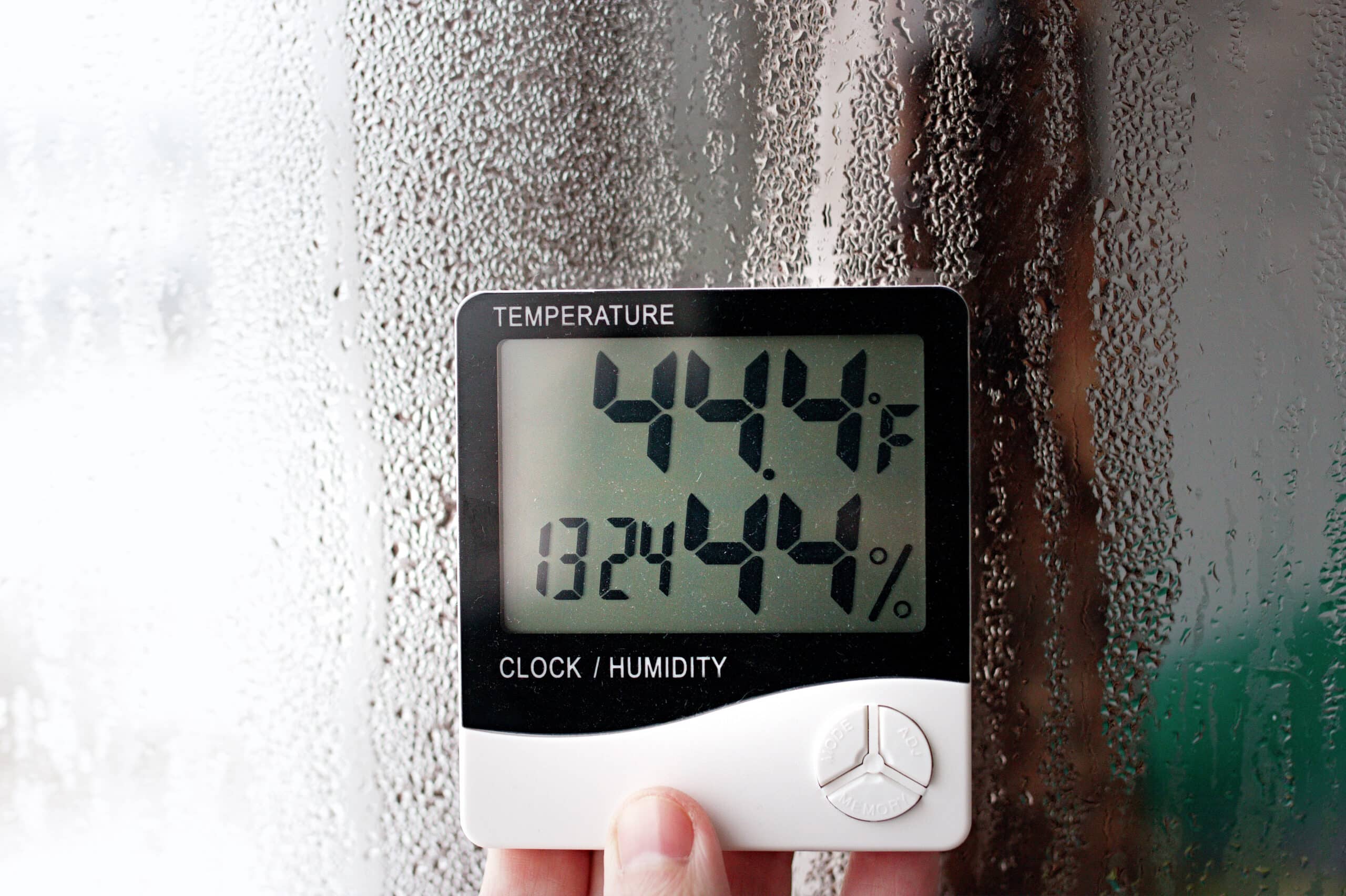
You may not realize that your indoor humidity levels have drifted out of balance until physical symptoms or environmental changes appear. Recognizing these signs early can help prevent larger comfort or air quality problems. Common indicators of high humidity in a home include condensation on windows, musty odors, and damp or sticky indoor air. These conditions often appear during extended rainy periods when outdoor moisture enters your home.

Other warning signs may include peeling paint, warped wood surfaces, or persistent mildew smells in certain rooms. These issues can develop slowly but may signal an ongoing humidity imbalance. Low humidity produces different symptoms. You may notice increased static shocks, dry skin, or irritated sinuses. Wood furniture or flooring may begin to crack or separate when indoor air lacks moisture. Monitoring these warning signs helps determine when indoor humidity requires adjustment.

How HVAC Systems Influence Humidity

Your heating and cooling system plays a major role in controlling indoor humidity. Air conditioners naturally remove some moisture from the air as they cool the home. However, during Sacramento’s mild spring temperatures, you may not run your air conditioners frequently enough to maintain proper humidity levels.

When the cooling system runs less often, moisture can linger indoors longer. Homes with limited ventilation or that have poor insulation might experience even greater humidity fluctuations during seasonal transitions. Heating systems can also influence humidity levels. Warm air produced by furnaces contains less moisture, which can lower indoor humidity during cooler mornings or evenings.

A well-maintained HVAC system helps regulate both temperature and humidity. Regular system maintenance allows your equipment to remove excess moisture more effectively and maintain consistent indoor comfort.

Ways to Balance Humidity During Spring

You can take several steps to maintain balanced humidity levels during Sacramento’s rainy spring season. Adjusting ventilation, maintaining HVAC equipment, and managing airflow all contribute to improved indoor air balance.

One effective strategy involves improving ventilation throughout the home. Exhaust fans in bathrooms and kitchens help remove moisture from indoor air during activities such as cooking or showering. Opening windows during dry weather can also help regulate humidity. Fresh outdoor air allows moisture to circulate and prevents stale indoor air from accumulating.

Maintaining HVAC equipment is also important. Replacing air filters regularly improves airflow through the system, which helps the air conditioner remove moisture more efficiently when it runs. In some homes, additional humidity control equipment may help maintain balanced air conditions. Whole-home humidifiers or dehumidifiers can adjust moisture levels when seasonal changes cause significant indoor humidity swings. These systems integrate with existing HVAC equipment and help maintain consistent humidity levels in your home.

The Importance of Seasonal HVAC Maintenance

Seasonal HVAC maintenance helps you prepare your system for changing weather conditions. During spring, we inspect equipment for indications of wear that could affect airflow or moisture control. Our maintenance visits include cleaning coils, inspecting drain lines, and verifying proper refrigerant levels. These steps help ensure the cooling system removes humidity effectively when temperatures begin to rise.

Our team will also evaluate airflow and duct conditions to ensure the system distributes air evenly throughout the home. Balanced airflow allows the HVAC system to regulate both temperature and humidity more efficiently. Routine maintenance also helps homeowners detect small issues before they affect comfort or air quality during the warmer months.

Why Humidity Balance Matters During Seasonal Transitions

Sacramento’s spring weather often brings unpredictable humidity levels that change quickly from week to week. Homes that maintain balanced indoor humidity feel more comfortable and healthier throughout these seasonal transitions. Balanced humidity allows HVAC systems to operate more efficiently while preventing moisture-related problems. Proper air balance also helps protect furniture, flooring, and other household materials from humidity-related wear.

Keep Your Home Comfortable This Spring

Indoor humidity plays a major role when it comes to your comfort during Sacramento’s rainy spring season. By monitoring humidity levels and maintaining HVAC equipment, you can create a balanced indoor environment that supports comfort and health.

Since 1976, Crystal Blue Plumbing Heating & Air has helped residents in the Sacramento area maintain proper indoor air quality through professional HVAC services. Contact us today and schedule an appointment to improve your home comfort.