

Heating System Problems on Cold Nights: Causes and How to Fix Them
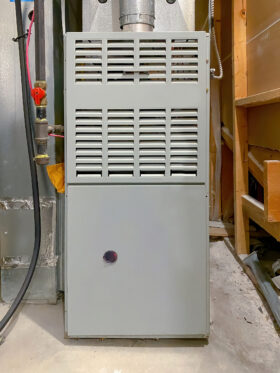
Once fall turns to winter, cold nights become more prevalent in California, and you are more likely to encounter problems with your heating system. While heating systems are designed to maintain comfortable indoor conditions even when it’s cold outside, they can be placed under a significant amount of stress on nights when the temperature dips below freezing. Let’s take a look at some of the causes and fixes for a struggling heating system.
How the Cold Affects Heating Systems on Cold Nights
No matter the age or condition of your heating system, sizable temperature drops can cause major issues with the unit’s heat output. These issues can range from inconsistent heating during the nighttime to a malfunction rendering the unit unable to turn on. From wear and tear to inadequate maintenance, there are many reasons why heating systems don’t perform well on cold nights.
General Wear and Tear
If your heating system has any small, niggling issues, they may become more apparent when the thermostat starts to dip. In this scenario, your heating system must run for longer periods to keep the interior of your home at the ideal temperature. Every part in the system undergoes considerable strain when it’s cold outside, which can affect everything from the heat exchanger to the burner.
Even well-maintained HVAC systems age and go through wear and tear. When parts start to fail, you may notice signs like odd sounds and uneven heating. If you don’t tend to these issues immediately, they may worsen. Detecting a problem early makes it more likely that a simple fix is all that’s needed.
Sudden Temperature Drops
If the outside temperature drops swiftly and suddenly, your heating system will be forced to accommodate these changes immediately without easing into them, which can place undue stress on the system. Heating system failure often occurs after the first freezing night of the season. If the outside temperature gradually drops over the span of several weeks, your system has a better chance of properly handling the cold weather.
Infrequent Filter Changes
A general rule of thumb with filters is to replace them every 90 days or so. It’s a good idea, however, to shorten this period during the winter. Over time, dust, hair, and other particles build up within the filter. Since the cold temperatures put stress on your heating system, you should do whatever you can to reduce the amount of strain that occurs.
If you forget to replace the filter for several months or longer, the air won’t flow freely through the system, which means that it needs to run longer to keep your house heated to the correct temperature.
Poor airflow doesn’t solely happen because of a dirty filter. If a vent or duct is blocked, air won’t circulate properly throughout your home. A complete blockage can lead to heat accumulating within the system and causing a full safety shutdown. When this occurs, critical components could be damaged.
Look out for thermostat issues as well. If your thermostat doesn’t correctly detect the indoor temperature, it might run too often or too little, which makes it more challenging to maintain the indoor temperature.
Irregular Maintenance
While it’s easy to overlook, maintenance is the backbone of heating systems. Even if the parts hold up well, they can slip out of place. Without routine maintenance, this issue may not be caught in time, which increases the likelihood that your system will malfunction. As mentioned before, minor issues can become bigger problems once winter arrives and brings frigid temperatures with it. If you obtain an inspection before the nights get too chilly, you can identify parts that need to be replaced early.
Short Cycling
A problem that’s common during the winter is short cycling, which involves the heating system turning on and off frequently without maintaining the right indoor temperature. If your heating system isn’t reaching the temperature you’ve set on your thermostat, short cycling could be the cause. If this happens, you’ll notice an increase in your energy bills.
Possible Heating System Fixes
While there are many reasons your heating system might struggle during cold nights, there are also numerous things you can do to keep it running smoothly.
Reduce Your Thermostat by a Few Degrees
A simple and easy way to minimize the stress your heating system goes through involves lowering the temperature on your thermostat by several degrees, particularly at night. Consider keeping your thermostat at 68 degrees Fahrenheit. No matter the temperature you prefer, avoid changing the thermostat settings too often.
Replace Your Filter Regularly
To avoid shutdowns and overheating issues, replace the filter in your heating system regularly during the winter. You may want to do so monthly. Look for high-efficiency filters that come with a MERV rating of 8-13. Visually inspect the filter before you intend to replace it to ensure there isn’t too much accumulation of dust and dirt. If your heating system is equipped with a permanent filter, clean it regularly.
Consider a Space Heater
To avoid placing too much strain on your heating system, consider pairing it with one or more space heaters. A space heater is a somewhat portable device that can heat single rooms and provide your home with zoned heating. Make sure, however, that you select a high-quality space heater that features automatic shut-off functionality. You must also plug the device directly into a wall outlet instead of using an extension cord.
Keep the Fan On Constantly
The fan in your heating system likely comes with two modes: “on” and “auto”. When the fan is set to “auto,” it will cycle between off and on depending on the indoor temperature. If you switch the fan to “on,” air will constantly circulate throughout your home, which limits component stress while also evenly distributing the warm air.
When to Call Crystal Blue Plumbing Heating & Air
Scheduling preventive maintenance before the winter season or early on should reduce the possibility of your system malfunctioning once the temperature drops. Maintenance services usually include thermostat calibration, safety control testing, electrical connection tightening, and component cleaning. If your heating system stops emitting hot air altogether, you should request inspection and repair services.
If you want to be proactive in maintaining your heating system during the winter season, our team of NATE-certified technicians at Crystal Blue Plumbing Heating & Air knows HVAC units inside and out. We have the expert knowledge required to perform comprehensive maintenance, diagnose potential problems, and complete any repairs. The heating services we offer to Loomis residents include preventive maintenance, repair, and installation. Call Crystal Blue Plumbing Heating & Air today to learn more!