

Here’s How to Protect Your Pipes During Northern California’s Winter Weather
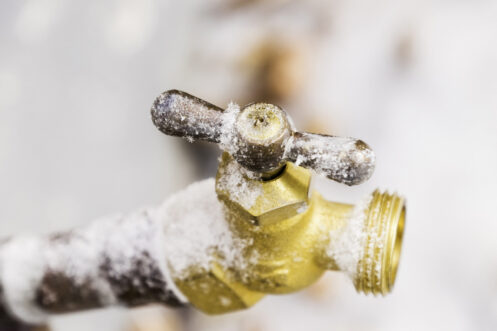
When you think about winter in Northern California, you may picture chilly nights, rainstorms, and maybe a dusting of snow in the foothills, not the deep freezes you see back East. Even so, colder temperatures and changing weather patterns can put real stress on your plumbing. Pipes in and under your home feel every degree of that temperature swing, and small winter problems can quickly turn into costly damage if they go unnoticed.
At Crystal Blue Plumbing Heating & Air, we help homeowners in Sacramento and the surrounding areas to prepare their plumbing for cooler weather, spot early warning signs, and recover quickly when leaks or breaks do develop. Understanding how winter weather affects your pipes makes it easier to protect your home and know when it is time to call a professional for help.
Why Northern California Winters Threaten Your Pipes
Many parts of Northern California do not spend weeks below freezing, but your plumbing does not need extreme cold to run into trouble. A few nights of subfreezing temperatures, especially after a stretch of mild weather, can push exposed or poorly insulated pipes past their limits. Those swings are even tougher on older homes that were never designed with hard freezes in mind.
Pipes that run through crawl spaces, exterior walls and garages and under slab foundations feel the brunt of cold air. When temperatures drop quickly, the water inside can begin to freeze and expand. Even if the pipe does not burst that night, repeated cold spells slowly weaken fittings, valves, and joints, so by spring, your plumbing may already have tiny cracks and leaks that started months earlier.
Freezing, Expansion, and Hidden Stress in Your Plumbing
Water is unusual in one important way: it expands when it freezes. Inside a pipe, that expansion has nowhere to go, so pressure builds and pushes outward on copper, PEX, or galvanized steel. Sometimes the pipe splits dramatically and you see an obvious leak, but in many homes, the damage is smaller and less visible at first, which can make it more dangerous over time.
Often the weakest spot in the line fails instead of the coldest point. It could be an older fitting, a thin section of pipe, or a connection hidden behind a wall. The result can be a slow leak that drips for weeks before anyone notices a stain, musty smell, or soft spot in flooring or drywall. Winter weather may feel mild again by then, but the damage has already begun behind the scenes.
Common Cold-Weather Pipe Problems We See
Every winter, we see similar patterns in Northern California homes. Some issues are dramatic and obvious, like a pipe break that sends water across a room. Others are subtle, showing up as small changes that are easy to ignore until they become bigger problems. Paying attention to these signs early can save you money and stress later in the season.
- Frozen outdoor hose bibs and lines
- Cracked pipes in crawl spaces
- Slow leaks in exterior walls
- Dripping lines under sinks
- Water stains on ceilings or walls
- Musty odors near plumbing runs
We also see issues after winter storms, when heavy rain and saturated soil put extra pressure on underground lines that may age or earlier cold snaps may already have weakened.
How Winter Weather Leads to Spring Water Damage
One of the biggest challenges with winter pipe problems in the Sacramento area is timing. A small leak that begins in January often does not become obvious until March or April. During the cooler months, water may slowly drip into insulation, behind walls, or under flooring. Because those spaces stay cooler and more enclosed, moisture does not dry out quickly and can go unnoticed.
As spring temperatures rise, damp areas warm up and airflow changes. That combination can bring stains, peeling paint, or musty smells to the surface. You might notice a soft spot in a ceiling, a warped baseboard, or an area of flooring that no longer feels solid underfoot. By that point, water damage has already affected building materials, which may require more extensive repairs than a simple plumbing fix.
How You Can Help Protect Your Pipes in Winter
While you cannot control the weather, you can take practical steps to reduce the risk that winter conditions will damage your pipes. Simple changes in how you heat and use your home can make a meaningful difference, especially during cold nights or sudden temperature drops. It is almost always better to prevent a problem than to deal with it later.
Keeping your home at a steady temperature on winter nights helps protect pipes in walls and under sinks. Opening cabinet doors under kitchen or bathroom sinks during cold snaps lets warm air reach plumbing that runs along exterior walls. If you plan to be away from home when a cold front arrives, avoid turning the heat down too low, especially in older houses or other properties with known cold spots.
When to Call in a Professional
Some warning signs deserve professional plumbing repair right away. A sudden drop in water pressure, visible staining, or a water meter that moves when no fixtures are running can all point to hidden leaks. In winter, these symptoms often mean a pipe has cracked or fittings have loosened under stress. Delaying a visit can allow more moisture to spread into surrounding materials.
You should also reach out if you notice repeated freezing in the same area, even if the pipes have not burst yet. Frequent freeze-thaw cycles weaken plumbing over time, and a professional can evaluate whether insulation, rerouting, or other improvements are necessary, so you won’t have to face the same repair every winter.
What to Expect From Our Plumbers
When you call Crystal Blue Plumbing Heating & Air about winter-related pipe issues, we start by listening to what you have noticed, and then we examine the affected area and look for other vulnerable points in your plumbing. If damage is visible, we identify the source and explain your repair options in clear, straightforward terms so you can choose the solution that fits your home and budget.
If the problem is hidden, we may use tools and testing methods to help locate leaks with minimal disruption to your walls, ceilings, or floors. Once we understand what is happening, we recommend solutions that match your home’s age, layout, and winter risk, which might include repairing or replacing damaged sections of pipe or adding protection around exposed lines that are likely to freeze again.
Planning for Future Winters
Winter weather will always bring some plumbing risks, but planning ahead can make each season easier on your pipes. If you have experienced winter leaks or frozen lines before, it is a good idea to schedule a visit before the next cold season begins so we can review vulnerable areas and discuss preventive options tailored to the area’s climate.
Protect Your Pipes From Winter Damage
Cold nights, fast-moving storms, and changing temperatures all put extra stress on your plumbing, even in a region that does not see deep freezes every day. By paying attention to warning signs and taking simple precautions, you can reduce the chance that winter weather will leave you with surprise leaks and water damage by spring. If you have noticed stains, odors, cold spots, or other signs that your pipes may be feeling the effects of winter, or if you want professional guidance before the next cold front, our plumbers are here to help.
Contact Crystal Blue Plumbing Heating & Air today to schedule an appointment, and let our team help you keep your pipes protected through every Northern California winter.