
Annual Commercial Plumbing Maintenance Tasks for Your Business
You may not always be thinking about the plumbing at your commercial property as it works silently in the background, but if it’s not working properly, it becomes a major concern. You can’t focus on running your business until the problem is resolved.
Annual plumbing maintenance is a proactive strategy that helps businesses catch wear, hidden leaks, and drainage problems before they become emergencies. Routine service reduces the risk of costly disruptions and supports a safe, reliable environment for your employees and customers.
What is a Commercial Plumbing Maintenance Plan?
A comprehensive maintenance plan involves inspections, tests, cleaning, and preventive adjustments. Understanding the most important tasks helps you create a schedule that protects your property, prevents downtime, and preserves your bottom line. Let’s explore the key maintenance tasks every business owner should schedule every year.
Inspect Pipes and Fixtures for Leaks
Even a minor leak can lead to water waste, structural damage, and mold growth. An annual inspection should include checking all visible pipes under sinks, in utility closets, and in mechanical rooms. Your plumber will look for moisture, active drips, corrosion, and water stains on surrounding walls or floors.
Schedule Commercial Drain Cleaning
Commercial drains get much heavier use than residential ones. Over time, grease, soap scum, food particles, and other debris can accumulate in the pipes, leading to slow drainage and clogs. Proactive drain cleaning is essential for maintaining flow and hygiene.
Kitchens, public restrooms, and other high-traffic areas are top priorities. By scheduling regular cleaning, you can avoid waiting for slow drains or messy backups to become emergencies that could temporarily shut down your business.
Inspect the Sewer Line
If your facility experiences recurring clogs or backups, a sewer camera inspection is an invaluable diagnostic tool. This technology lets a plumber see inside your main sewer line and identify the exact location and nature of any problems.
The camera can reveal cracks, pipe collapses, tree root intrusion, or severe buildup. Discovering these problems early lets you plan repairs and prevent a catastrophic failure that could halt business operations.
Test Backflow Prevention Devices
Backflow prevention devices are critical safety components that protect the public water supply from contamination. Most municipalities require commercial properties to have these devices tested annually by a certified professional to ensure they are functioning correctly.
During a test, the professional verifies that the valves within the device effectively stop water from flowing backward into the clean water system. Keeping detailed records of these inspections and any completed service is crucial to remain in compliance with local health and safety codes.
Service Commercial Water Heaters
Reliable hot water is essential for sanitation, food preparation, and customer comfort. Annual commercial water heater maintenance helps your system operate efficiently and safely. A plumber will inspect the appliance for leaks or corrosion, which could indicate a developing problem.
Depending on the type of equipment and local water quality, flushing sediment from the tank may be necessary to improve performance and extend the unit’s lifespan. The inspection also includes checking temperature controls, safety components like the pressure relief valve, and all connections.
Check Water Pressure
The water pressure in your building can have a significant impact on your plumbing system’s health. A professional should test the pressure throughout the facility to ensure it falls within a safe range. Consistently high pressure can strain fixtures, valves, and supply lines, leading to premature failures and leaks.
Conversely, low water pressure can be a symptom of a hidden leak, mineral buildup in the pipes, or a problem with the municipal supply. Investigating pressure irregularities helps you diagnose underlying issues before they escalate.
Inspect Restroom Plumbing
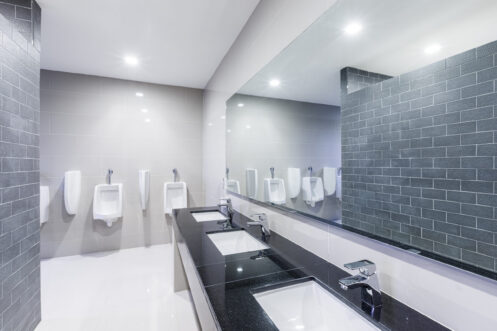
The condition of your restrooms directly affects your customers and employees. A thorough annual inspection should cover all toilets, urinals, faucets, and flush valves. A plumber will address common issues like running toilets, weak flushing performance, dripping faucets, and loose components.
Ensuring that all restroom fixtures are in excellent working order helps prevent water waste and confirms that these essential facilities remain functional and presentable, even during your busiest periods.
Clean Floor Drains and Traps
Floor drains in utility rooms, commercial kitchens, and restrooms are designed to prevent flooding, but they can easily become clogged with dirt and debris. Regular cleaning keeps them clear and ready for an emergency.
Additionally, the P-trap beneath each drain holds a small amount of water to block sewer gases from entering your building. If a drain gets little use, this water can evaporate. Part of maintenance includes adding water to dry traps to restore this protective barrier and eliminate foul odors.
Test Shutoff Valves
In a plumbing emergency like a burst pipe, quickly shutting off the water is crucial. However, valves that aren’t used regularly can become corroded or “frozen” in place. A key task is to locate and test accessible fixtures and main shutoff valves to ensure they operate smoothly.
Any valves that are stuck, leaking, or difficult to turn should be replaced. Make sure key team members know how to locate these emergency shutoffs.
Inspect Grease Traps and Interceptors
For food-service businesses, grease trap maintenance is nonnegotiable. This trap prevents fats, oils, and grease from entering the sewer system, where they can cause major blockages. Businesses must follow a required pumping and cleaning schedule based on the size of the trap and the volume of use.
Warning signs of a full or clogged grease trap include foul odors, slow drains in the kitchen, and recurring backups. Staying on top of this maintenance is essential to prevent business disruptions and avoid health code violations.
Check Sump Pumps and Drainage Systems
If your business has a basement, mechanical room, or other low-lying areas, a sump pump is your primary defense against flooding. Annual testing is critical to confirm the pump is ready to work when needed. This involves checking the float switch to ensure the pump activates correctly.
The inspection should also include an examination of the discharge line to make sure it is clear of obstructions. If you have a backup power system, such as a battery, test it to ensure you’ll have protection during a power outage.
Review Water Use and Plumbing Records
Your business records can offer valuable insights into your plumbing system’s health. Take time each year to compare water bills and maintenance reports. An unexpected increase in water consumption that you can’t explain because of business activity often points to a hidden leak.
Keeping a log of all plumbing repairs helps identify recurring issues that may signal a larger underlying problem. This information allows you to budget and plan for future repairs or system replacements more effectively.
Create a Commercial Plumbing Maintenance Plan
The most effective approach to plumbing care is a customized maintenance plan tailored to your specific needs. The ideal schedule will depend on your building’s size, age, daily usage, and the type of business you run. For example, a restaurant will have different needs than an office building.
Work with a professional to develop a commercial plumbing maintenance plan that covers all your critical systems. Keeping detailed inspection records and noting any recurring problems will help refine the plan over time. Whenever possible, coordinate maintenance tasks during slower business hours to minimize any impact on your operations.
Protect Your Sacramento Business From Plumbing Disruptions
Proactive plumbing maintenance is one of the smartest investments you can make in your commercial property. By identifying and addressing potential problems annually, you protect your business from the costly downtime, property damage, and lost revenue a plumbing emergency can cause. A well-maintained system operates more efficiently and reliably.
Since 1976, Crystal Blue Plumbing, Heating & Air has been a trusted partner for business owners seeking reliable and honest service. Our family-owned company is built on dependability and superior workmanship.
To protect your investment in your Sacramento business, contact Crystal Blue Plumbing, Heating & Air to schedule professional commercial plumbing maintenance.